Perimenopause Explained: Why Midlife Women Feel “Off” — and What to Do About It
Dec 19, 2025
Perimenopause Isn’t a Problem — It’s a Transition No One Prepared You For
I recently stood on a TEDx stage talking about perimenopause, not because it’s trending, but because it’s one of the most misunderstood and under-supported phases of women’s health.
What surprised me most wasn’t the nodding heads in the audience. It was how many women told me afterward:
“I thought it was just me.”
It’s not.
What Perimenopause Actually Is
Perimenopause is the hormonal transition leading up to menopause. It can begin as early as your mid-to-late 30s and last up to 15 years. During this time, estrogen and progesterone fluctuate, not gradually, but unpredictably, affecting nearly every system in your body.
Common symptoms include:
- Sleep disruption
- Anxiety or mood changes
- Brain fog and memory issues
- Joint pain and inflammation
- Weight gain or body composition changes
- Fatigue
- Changes in libido
Menopause itself is one day. The day you’ve gone 12 months consecutive without a menstrual cycle.
Everything before is perimenopause. Everything after is post-menopause, which can last decades.
Yet most women are never taught this.
Why Menopause Education Is a Health Issue — Not a Vanity One
Menopause is often minimized as hot flashes and weight gain.
In reality, untreated and unsupported menopause is associated with increased risk of:
- Heart disease
- Osteoporosis
- Cognitive decline
According to the WHO by 2030, 1.2 billion women worldwide will be in menopause or post-menopause.
This is not a niche issue.
This is a public health conversation we’ve avoided for far too long.
The Education Gap No One Warned Us About
We (some-what) prepare women for:
- Puberty
- Pregnancy
- Postpartum recovery
Menopause? Silence.
No roadmap.
No proactive education.
No clear guidance on how to advocate for care.
Which leaves women questioning themselves instead of systems that were never designed to support them through this transition.
Why Self-Advocacy Is Essential in Midlife
Thriving in perimenopause isn’t about willpower. It’s about information and support. Women who do well during this transition tend to:
- Track symptoms instead of minimizing them
- Ask informed questions in medical appointments
- Strength train to protect bone and muscle
- Adjust nutrition to support hormonal changes
- Seek second opinions when dismissed
This is not about “doing everything.” It’s about doing the right things.
I became a menopause mentor because I lived the confusion and saw how unprepared even health-focused women are for this transition.
My work focuses on helping women:
- Understand what’s happening in their bodies
- Organize symptoms in ways providers take seriously
- Build strength, energy, and confidence in midlife
- Stop blaming themselves for biological changes
When women understand their bodies, they stop shrinking. They start advocating.
What You Can Do Right Now
If you’re in perimenopause — or approaching it — start here:
- Track symptoms, sleep, cycles, and energy
- Prioritize strength training
- Learn how hormones impact recovery, metabolism, and mood
- Stop dismissing what your body is telling you
Small steps create clarity. Clarity creates confidence.
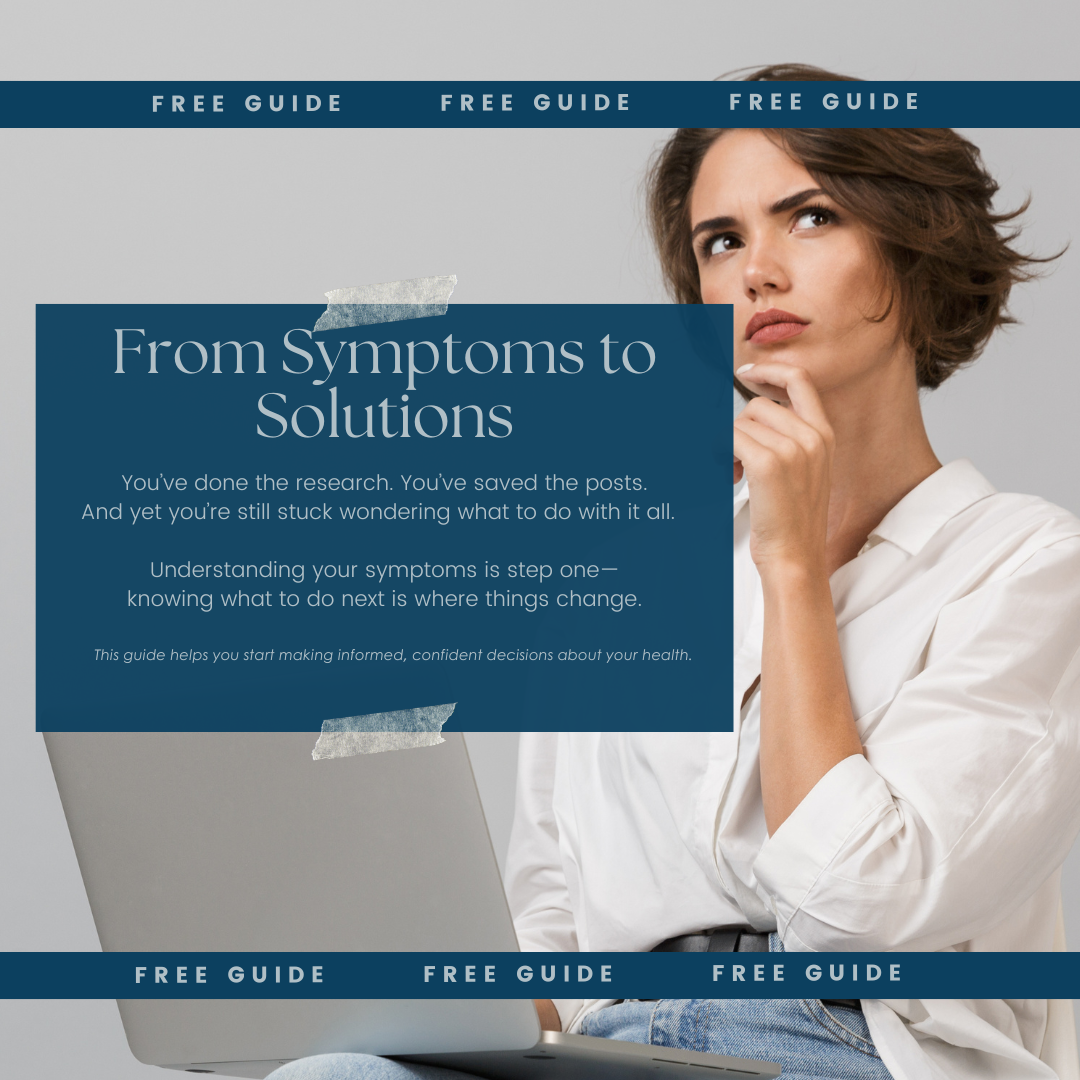
If you want a simple, structured way to understand your symptoms and advocate for your health, make sure to grab a copy of Navigating Menopause: A Comprehensive Wellness Tracking Journal.
It’s designed to help you:
-
Track what matters
- Identify patterns
- Walk into appointments prepared
- Feel informed instead of overwhelmed
This season isn’t the end of your power. It’s where you learn how to claim it.
Stay connected with news and updates!
Join our mailing list to receive the latest news and updates from our team.
Don't worry, your information will not be shared.
We hate SPAM. We will never sell your information, for any reason.