Menopause Representation Matters: What Filming with PBS Austin Taught Me
Jul 13, 2026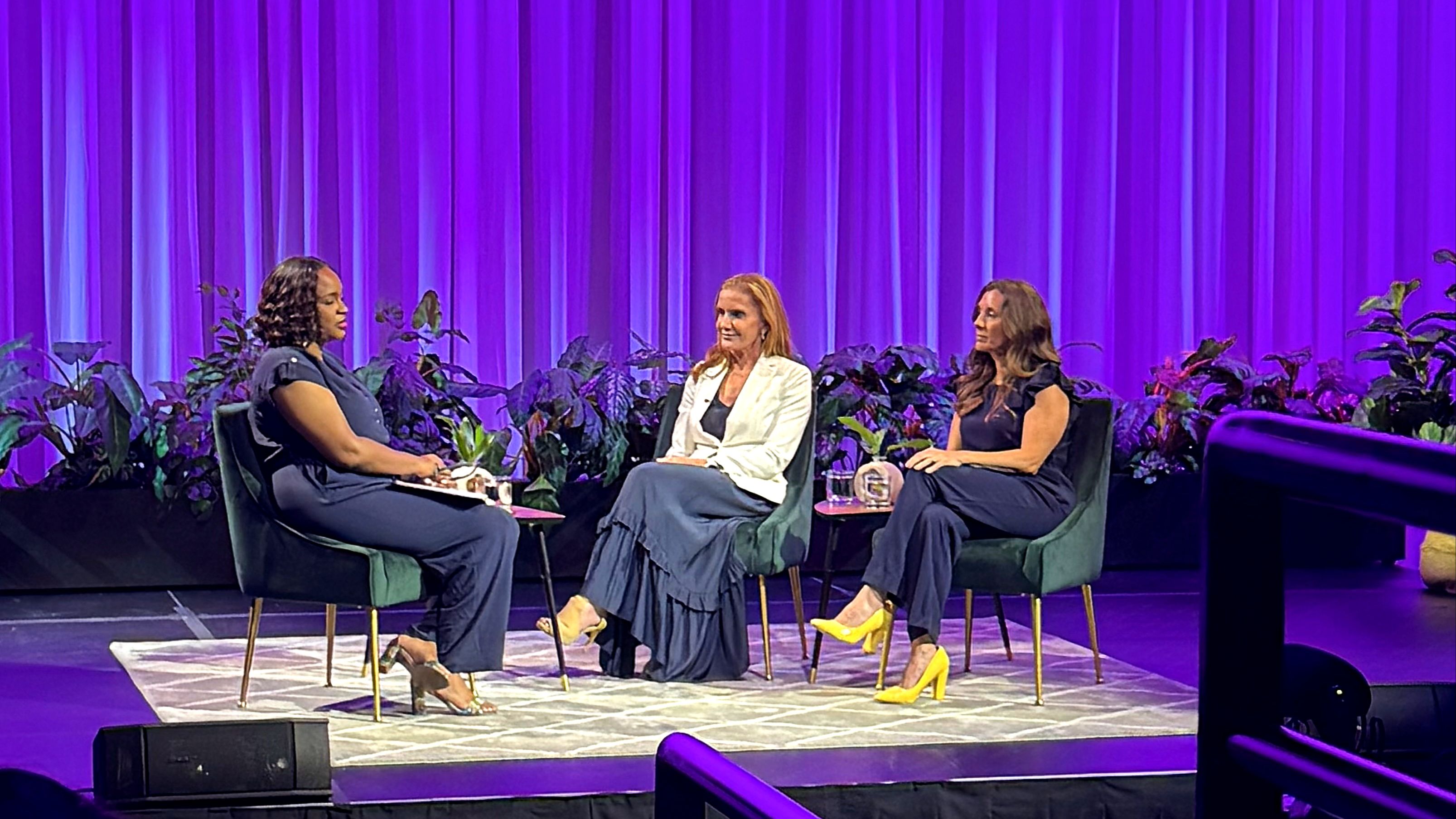
I sat under studio lights at PBS Austin on July 10th, and about halfway through, something hit me that I wasn't expecting.
It wasn't nerves. It wasn't the bright studio lights, or the mic pack clipped to my waistband, or trying to remember not to say "um." It was the moment we started talking about what actually happens to a woman's body long after the hot flashes fade, the bone density, the heart health, the cognitive changes that quietly build for years past menopause, and I realized how few women ever hear any of this while there's still time to do something with it.
What I Actually Learned Sitting in That Chair
Here's the part that stuck with me most. Menopause isn't just a rough few years you push through and then it's over. What happens during this transition sets the stage for a woman's health for decades afterward. Bone loss that starts here can shape whether she breaks a hip at seventy. Cardiovascular risk shifts here in ways that show up twenty years down the road. And so much of it is quietly decided in this window, while most of us are just trying to survive the day to day symptoms enough to function.
That's what got me. Not the symptoms themselves, we talk about those all the time. It was realizing how many women in their sixties and seventies, women who are already living with the long term consequences, would tell you in a heartbeat that they wish someone had handed them this information ten years earlier. Not to scare them. To give them a chance to actually do something with it while the window was still open.
Why Menopause Representation on Television Is So Rare
A public television crew, in this city, spending real time and real airtime on menopause, not as a punchline, not as a fifteen second bit wedged between a cooking demo and the weather, but as an actual, considered piece on what's at stake, airing during World Menopause Month this October.
If you've been in perimenopause or menopause for more than about five minutes, you already know why that matters. You know what it's like to bring up a symptom to a doctor who nods politely and moves on. You know the specific loneliness of going through something massive while everyone around you acts like nothing is happening at all, while the truth is, what's happening right now may quietly shape your health for the next thirty years.
The Access Gap Versus the Seen Gap
That's the gap I try to stand in every day. Not just the access gap between women and quality care, though that's real and it's enormous. The seen gap. The space between what we're actually living through right now, today, and what anyone around us seems willing to acknowledge, let alone act on before it's too late to matter.
Here's what I kept coming back to in that studio: every woman who watches this segment in October is going to see her own experience validated on a screen in her living room, maybe for the first time, and maybe with enough runway left to actually change her own trajectory. Someone is going to be folding laundry, half paying attention, and something I say is going to make her stop and think, wait, that's me, and I still have time to do something about this.
That's the whole point. Not fame, not exposure for exposure's sake. The moment a woman realizes she's not the only one, and that she's not too late.
Why I Build Spaces Where Women Don't Have to Translate Themselves
I've built my whole coaching practice, my speaking work, this entire community, around one belief: women deserve spaces where they don't have to translate themselves, and where they get this information while there's still something to be done with it. Where "I feel like I'm disappearing" doesn't need a disclaimer before you say it out loud. Where showing up with the messy, undiagnosed, no one warned me about this version of midlife is not just tolerated but expected, and where the warning comes early enough to matter.
That's what The Pause with PBS Austin is going to be for so many women this October. And honestly, sitting in that chair, thinking about the women who've told me they wish they'd known this ten years ago, I felt the weight of getting to be one of the voices making sure fewer women say that in the future.
If you're navigating symptoms right now without a clear next step, a Doctor Prep Session is one of the fastest ways to walk into your next appointment prepared instead of dismissed, while there's still time for it to matter.
You Are Not Alone in This, and You Are Not Too Late
If you're in the thick of it right now, wherever "it" is for you today, I want you to hear this: you are not too much, you are not imagining it, and you are not alone in a room even when it feels that way. And you are not too late to protect the next thirty years of your health. We are building more rooms like this. I promise you that.
More on the segment as the air date gets closer. For now, if this landed for you, send it to a friend who needs to know she's not the only one, and that there's still time. And if you want the fuller story on your own menopause journey, Navigating Menopause walks you through tracking your symptoms so you can advocate for yourself with real data, not just a feeling.
Stay connected with news and updates!
Join our mailing list to receive the latest news and updates from our team.
Don't worry, your information will not be shared.
We hate SPAM. We will never sell your information, for any reason.